Premium Henna Hair Dye
Welcome to Infinite Earth– “America’s” best-selling hair dye for men and women. Here you can learn about and purchase natural hair products and cosmetics. All of our products are chemical-free and have no metals or ammonia. It comes straight from Mother Nature. So when we say all-natural henna hair dye or all-natural hair colors we mean it. Infinite Earth Cosmetics is committed to quality chemical-free hair and beard dye. Here at Infinite Earth we sell and ensure the best dye money can buy. We ship daily and we ship worldwide.

The Worlds Best Henna
Infinite Earth is not just any henna for hair, it is the best you will ever find. We tested over 200 different crops world wide that grow henna and indigo, to bring you the best premium quality henna hair dye.
1 Step Process
Mixing, boiling and running out to the store for extra ingredients is the old way of using henna. Not any more, Harvest Moon takes the guess work out, and puts easy application in.

Henna Hair Dye That Works Fast
Lets face it, your busy, we are busy, and the less time you spend doing your hair the more time you have to do the things you enjoy.
We Ship As Fast As We Can
We process orders as fast as we can. We like to get it fast and we want you to get it fast! We ship to most countries and we work around the clock when needed. Orders are processed in 4-48 hours.
Choose your color
Herbal Hair Dye
Conditions
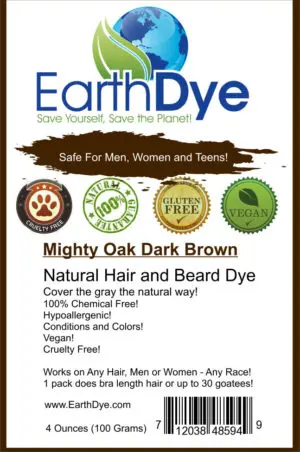
Natural Dark Brown Henna Hair Dye
Original price was: $17.98.$13.98Current price is: $13.98.
Add to cart
Hyaluronic Acid Serum
Original price was: $29.98.$24.98Current price is: $24.98.
Add to cart
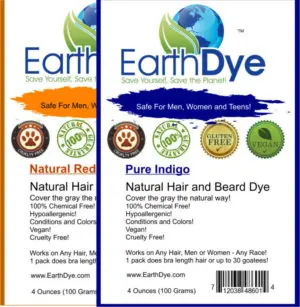
Natural Jet Black Hair and Beard Dye
Original price was: $36.96.$25.98Current price is: $25.98.
Add to cart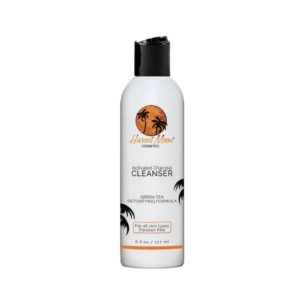
Harvest Moon Natural Best Face Wash and Shower Gel
Original price was: $24.98.$19.98Current price is: $19.98.
Add to cart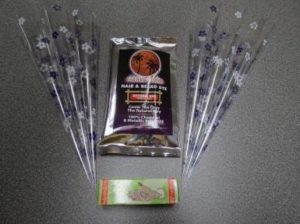
Harvest Moon Henna Tattoo Kit Works Fast
Original price was: $34.99.$28.98Current price is: $28.98.
Add to cart
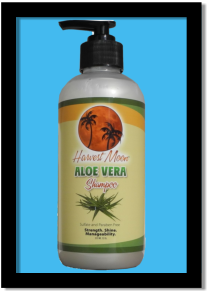
Aloe Vera Shampoo RESERVE YOURS NOW www.earthdye.net
Original price was: $29.98.$24.98Current price is: $24.98.
Read more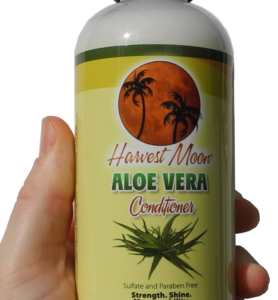
Aloe Vera Conditioner RESERVE YOURS at www.earthdye.net
$24.98
Read more
Signature requested on delivery
$2.00
Add to cart
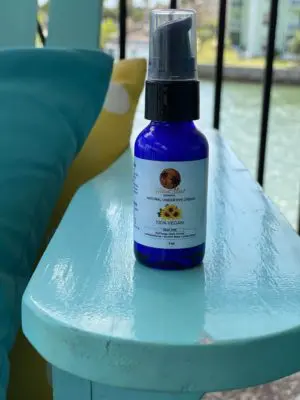
Paraben Free Under Eye Cream NEW 1 Ounce Bottle
Original price was: $48.98.$36.98Current price is: $36.98.
Read more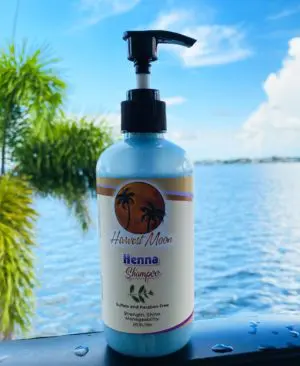
Henna Shampoo RESERVE YOURS AT www.earthdye.net
Original price was: $29.98.$24.98Current price is: $24.98.
Read more
How To Make Money Doing Henna Tattoos
Original price was: $19.98.$8.98Current price is: $8.98.
Add to cart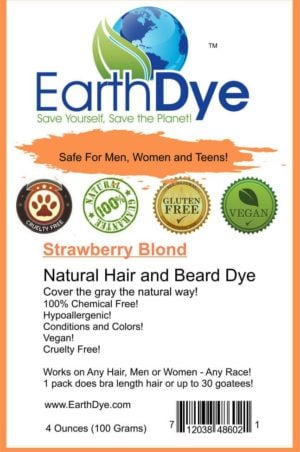
EarthDye Strawberry Blonde Hair Dye
Original price was: $17.98.$12.98Current price is: $12.98.
Add to cart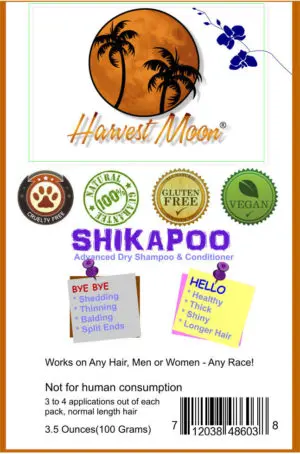
Shikapoo
Original price was: $16.98.$13.98Current price is: $13.98.
Add to cart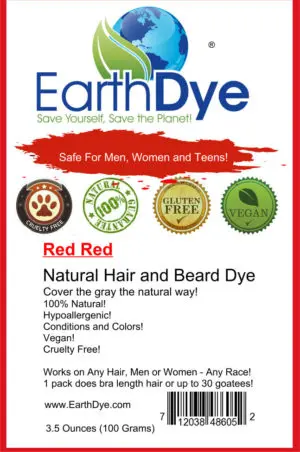
Natural Bright Red Hair Dye
Original price was: $17.98.$13.98Current price is: $13.98.
Add to cart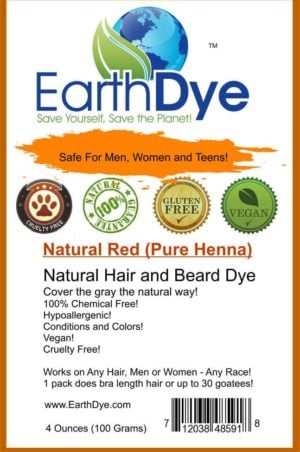
EarthDye Natural Red Henna Hair Dye
Original price was: $17.98.$13.98Current price is: $13.98.
Add to cart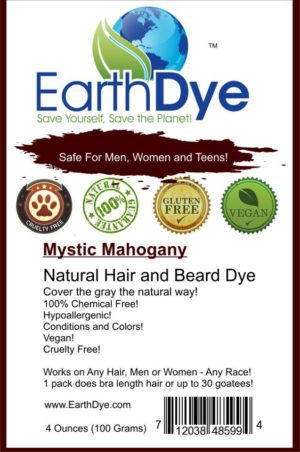
EarthDye Natural Mahogany Hair Dye
Original price was: $17.98.$12.98Current price is: $12.98.
Add to cart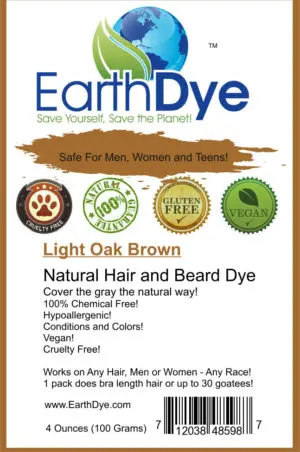
Henna Light Brown Hair Dye
Original price was: $17.98.$13.98Current price is: $13.98.
Add to cart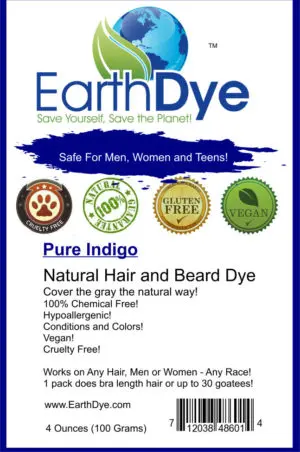
Natural Indigo Powder
Original price was: $17.98.$13.98Current price is: $13.98.
Add to cart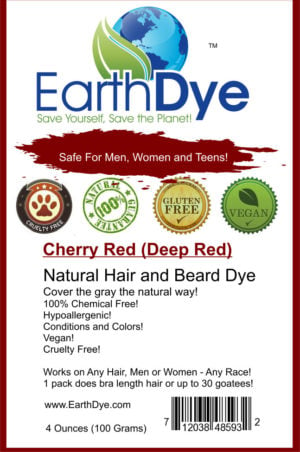
EarthDye Deep Red Hair Dye
Original price was: $17.98.$13.98Current price is: $13.98.
Add to cart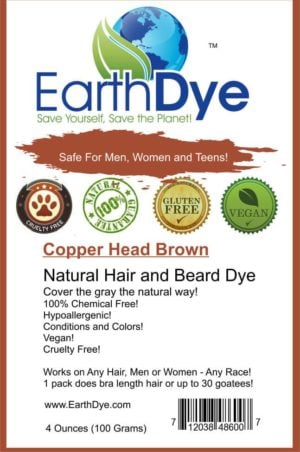
EarthDye Copper Brown Hair Dye
Original price was: $17.98.$12.98Current price is: $12.98.
Add to cart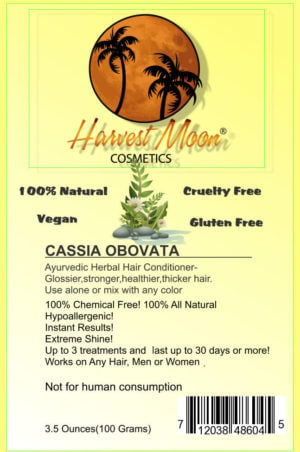
Harvest Moon Cassia Obovata (neutral)
Original price was: $17.98.$14.98Current price is: $14.98.
Add to cart
Harvest Moon Cassia Obovata Beard Conditoner
Original price was: $17.98.$14.98Current price is: $14.98.
Add to cart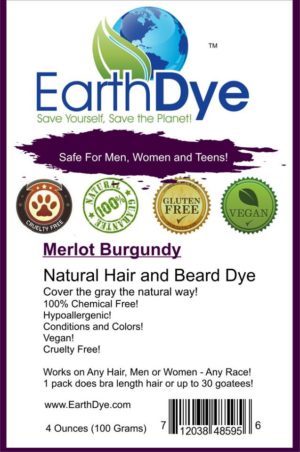
EarthDye Natural Burgundy Hair Dye
Original price was: $17.98.$12.98Current price is: $12.98.
Read more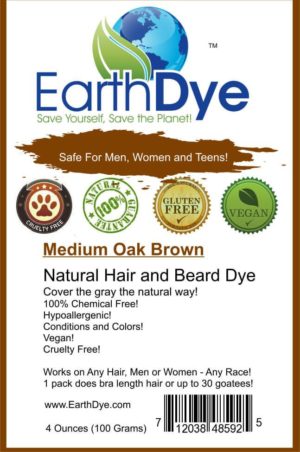
EarthDye Medium Oak Brown Hair Dye
Original price was: $17.98.$13.98Current price is: $13.98.
Read more
Harvest Moon Body Lotion That Does What It Should
$29.95
Read more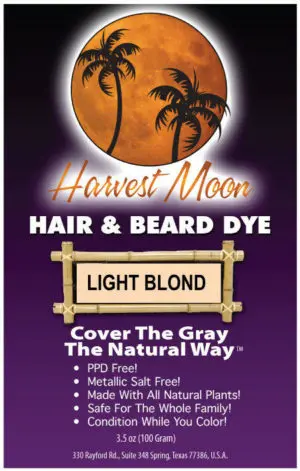
Harvest Moon Blond Hair And Beard Dye
Original price was: $17.98.$13.98Current price is: $13.98.
Add to cart
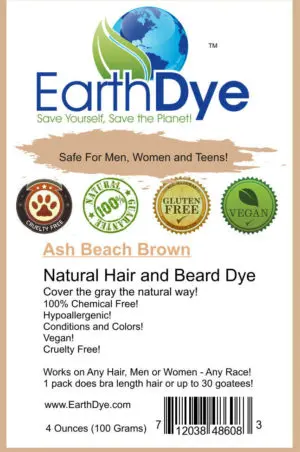
EarthDye Ash Beach Brown
Original price was: $17.98.$13.98Current price is: $13.98.
Add to cartWe Ship World Wide
Relentless pursuit of research. Since 2006 we have spent countless hours providing the best henna hair dye money can buy. It works faster, lasts longer, and looks better than any other brand on the market. Learn More
WE ARE SLOWLY ADDING COUNTRIES BACK
PLEASE CHECK BY USING ``CALCULATE SHIPPING ON PRODUCT PAGE``
- USA
- Canada
- United Kingdom
- Brazil
- Ireland
- Europe
- Asia
- Australia – Many More

What our clients say
Testimonials
Keeping It Real
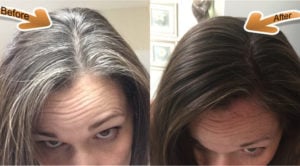
See our before and after photos of real customers. We have had many of the same customers for over 12 years, because we have the best natural hair dye you can find. We are coming up on 14 years!
Special offer
Get your discount

Get a free VIP Code and save 25% on every order, even when an item is on sale!
Our Blog
Recent posts
Blog
The Best Henna Hair Dye 2024
2024
- 26
5 Ways to Being More Mindful of Your Health
2024
- 0